WeWork
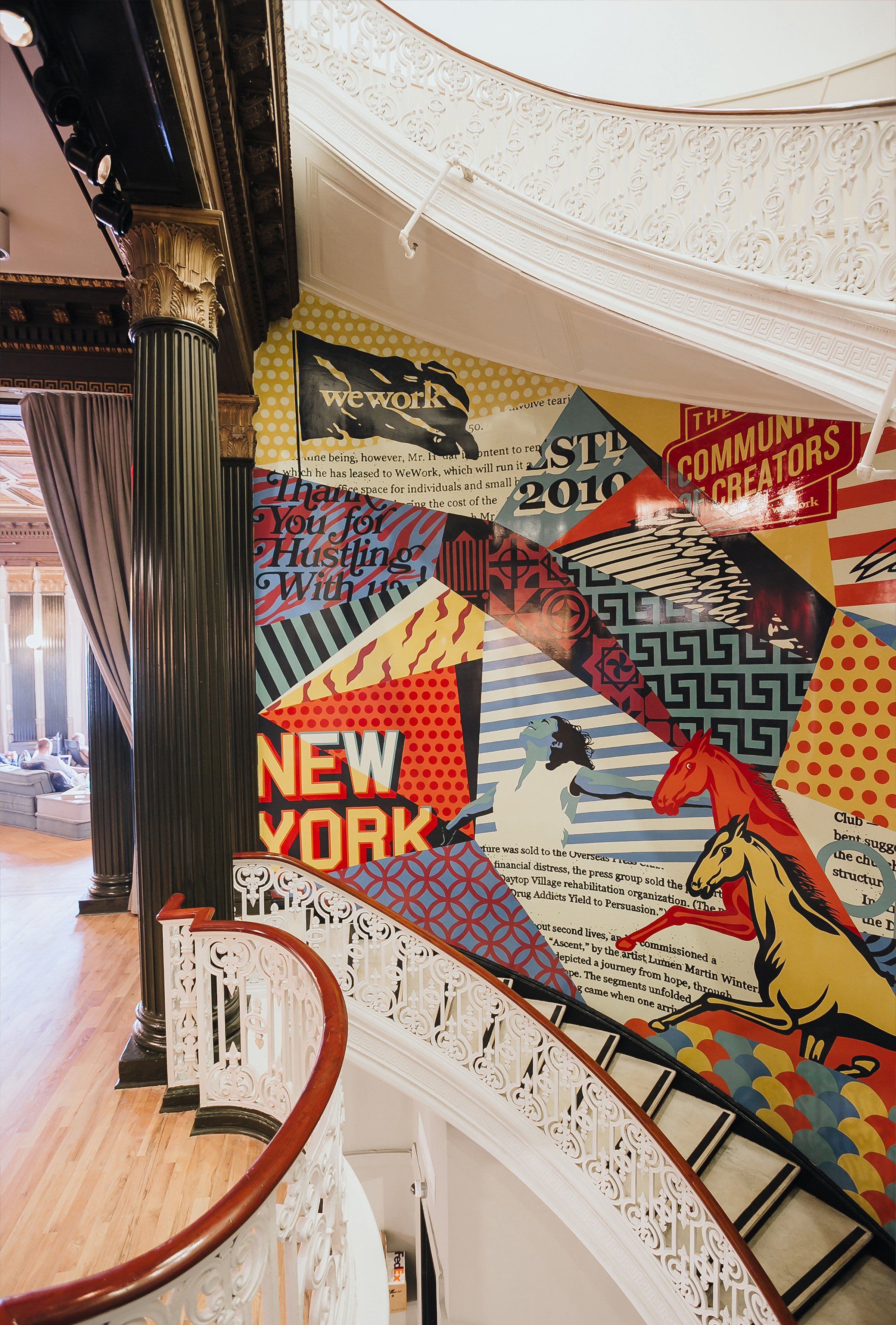
As WeWork scaled across the globe, we began to codify our visual language and artistic intent. Our goal was to inspire our members around the world through memorable art experiences. The only way to do this in an honest and authentic way was to ensure the art teams were local to each market. As our team expanded, our skills and capabilities expanded as well.
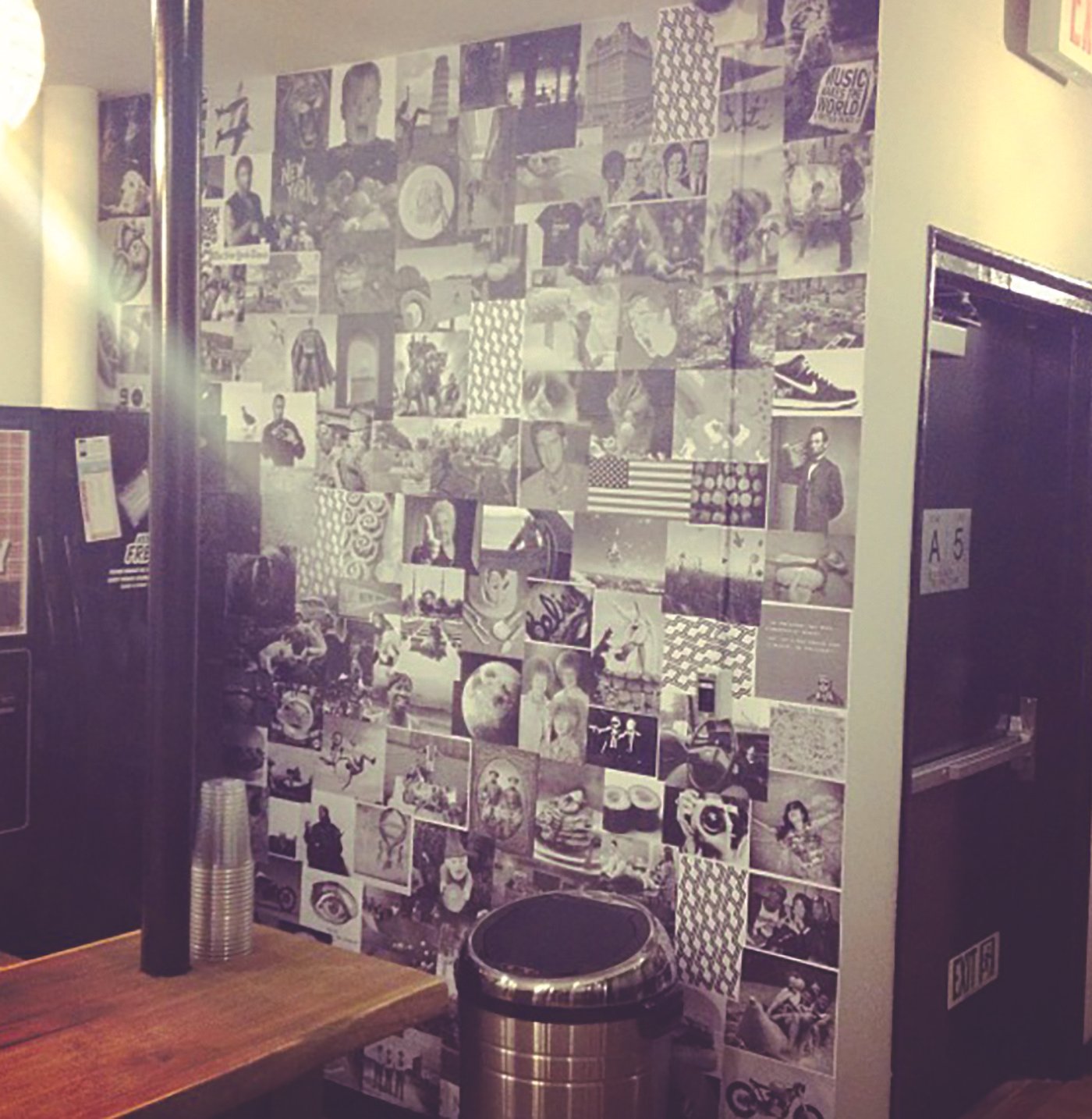
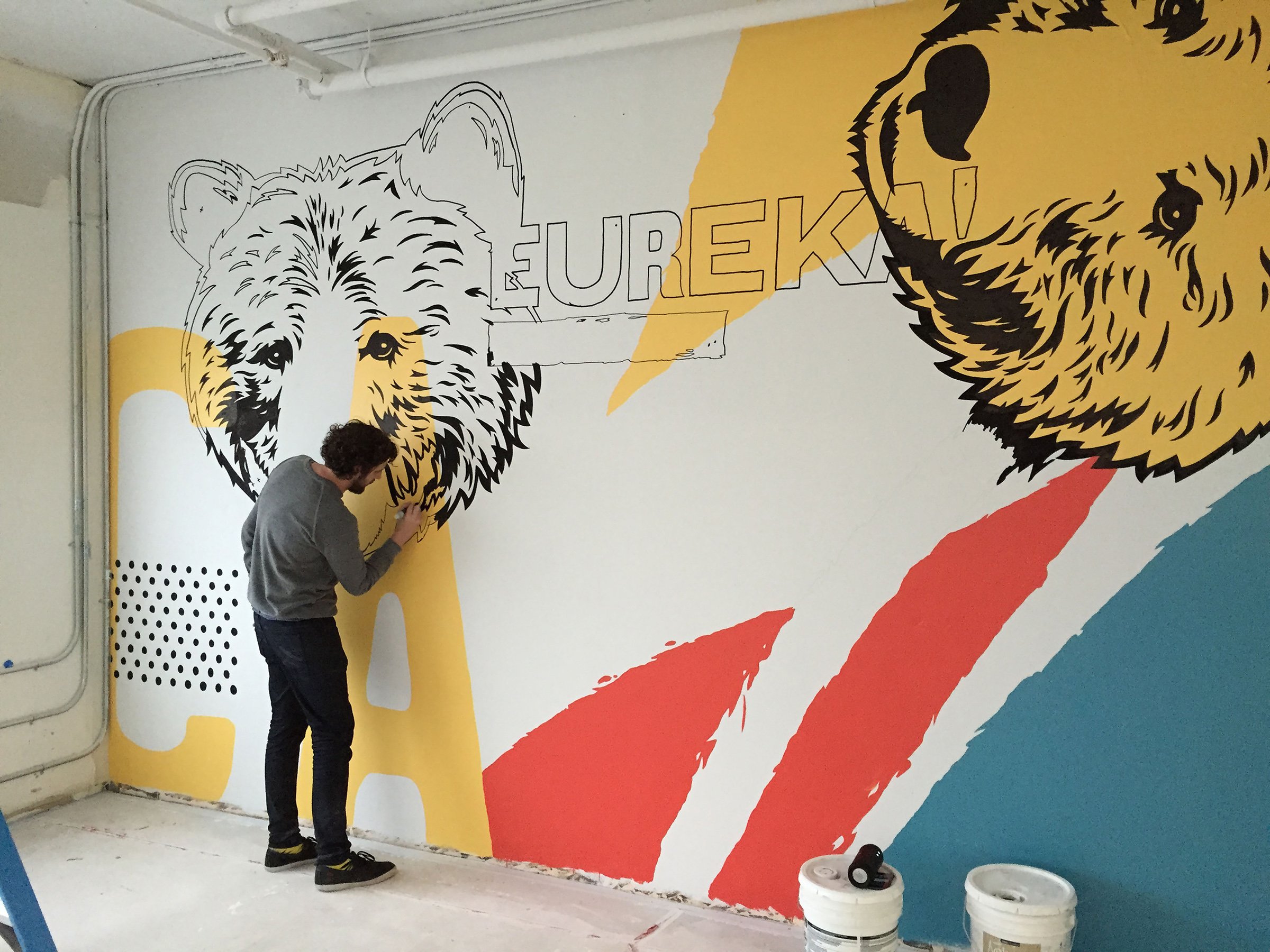
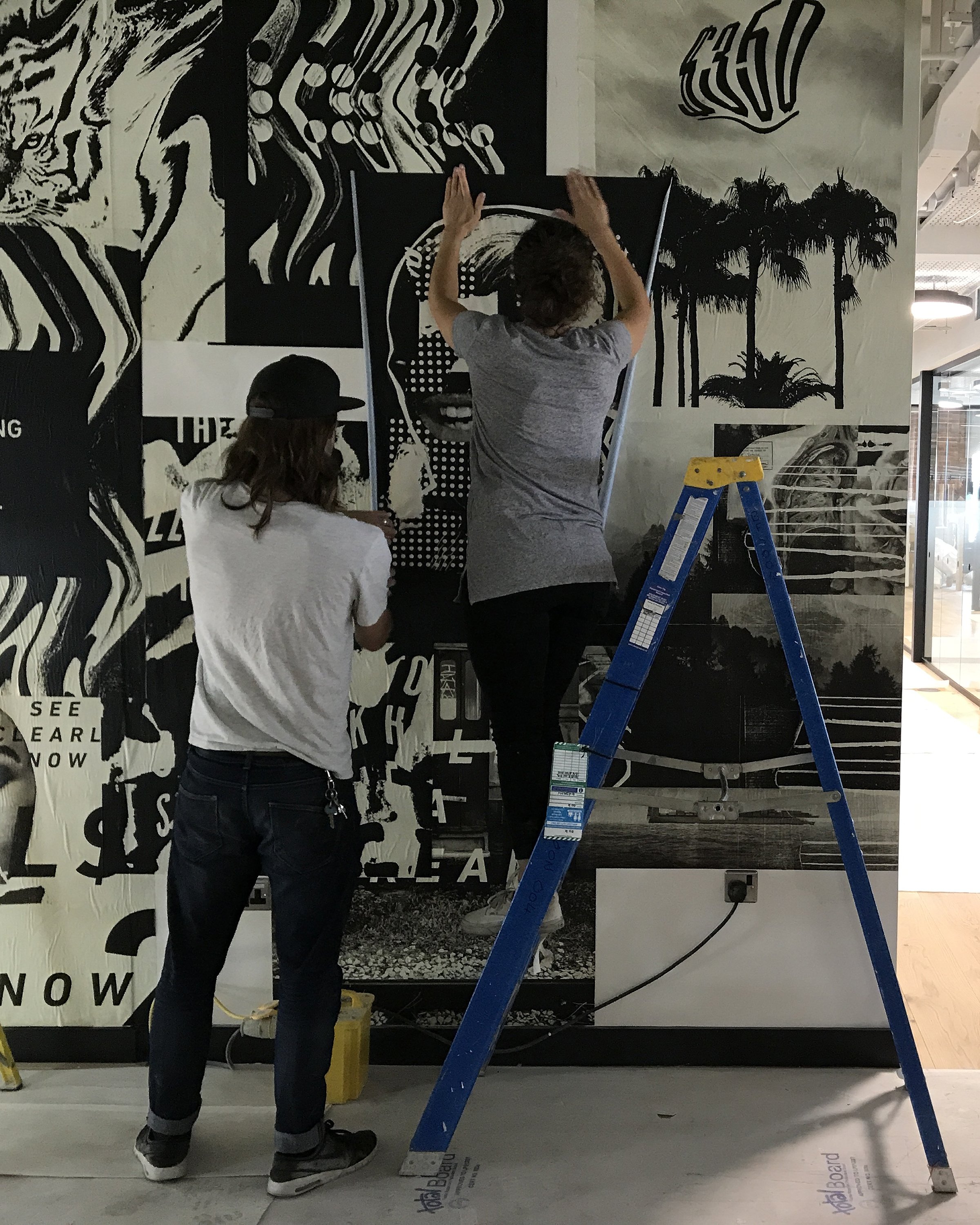
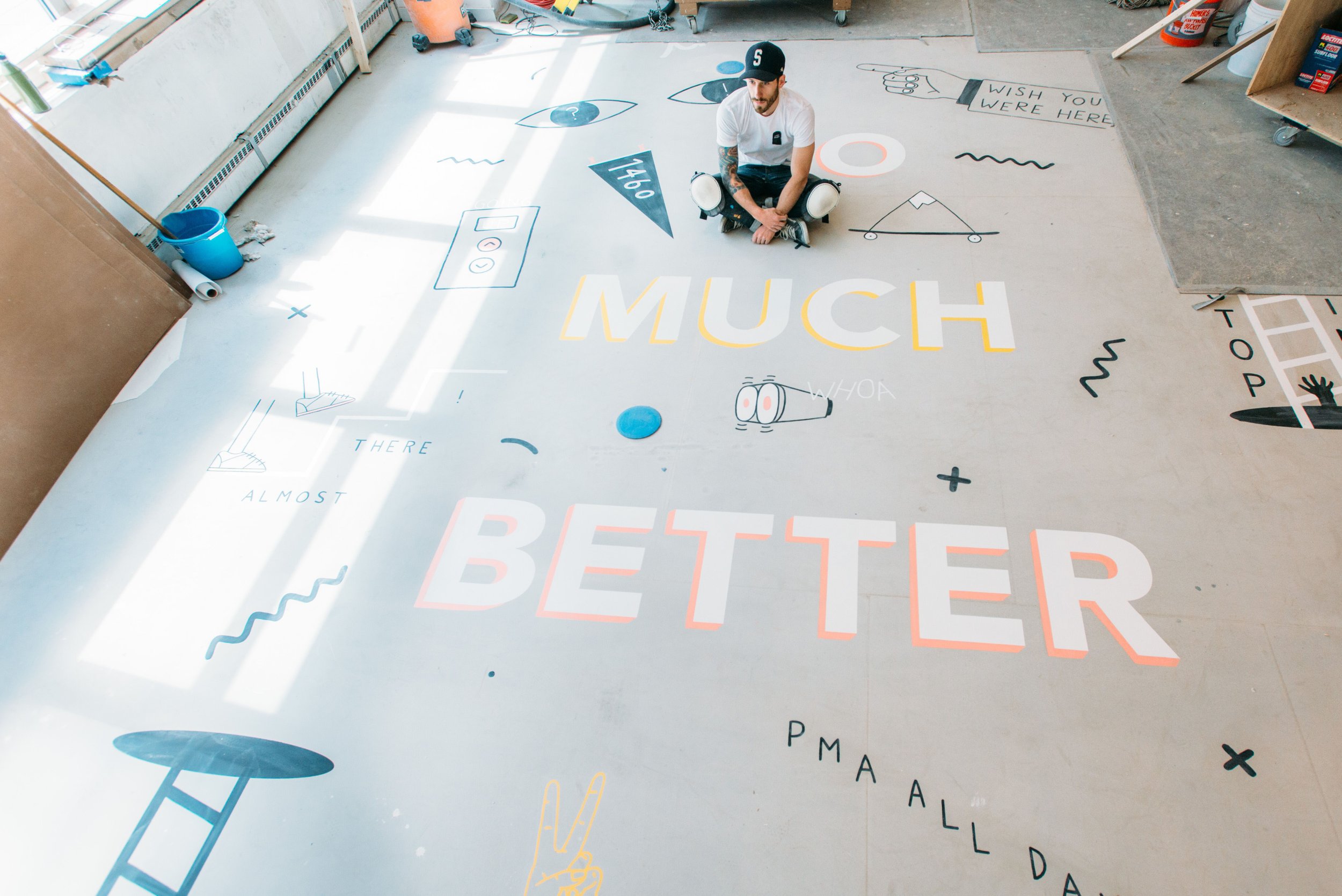
In early 2013, the first art installations were created after hours when our “real work” was finished. Armed with photocopies from the office printer, wallpaper glue, paint markers, and stencils, our goal was to get in, make as big an impact as possible in as little time as possible and get out. We called these late night covert art missions, Guerrilla Makeovers.
In the summer of 2015, the art team grew from an after hours side hustle to a team of four designers solely focused on interior art and graphics.
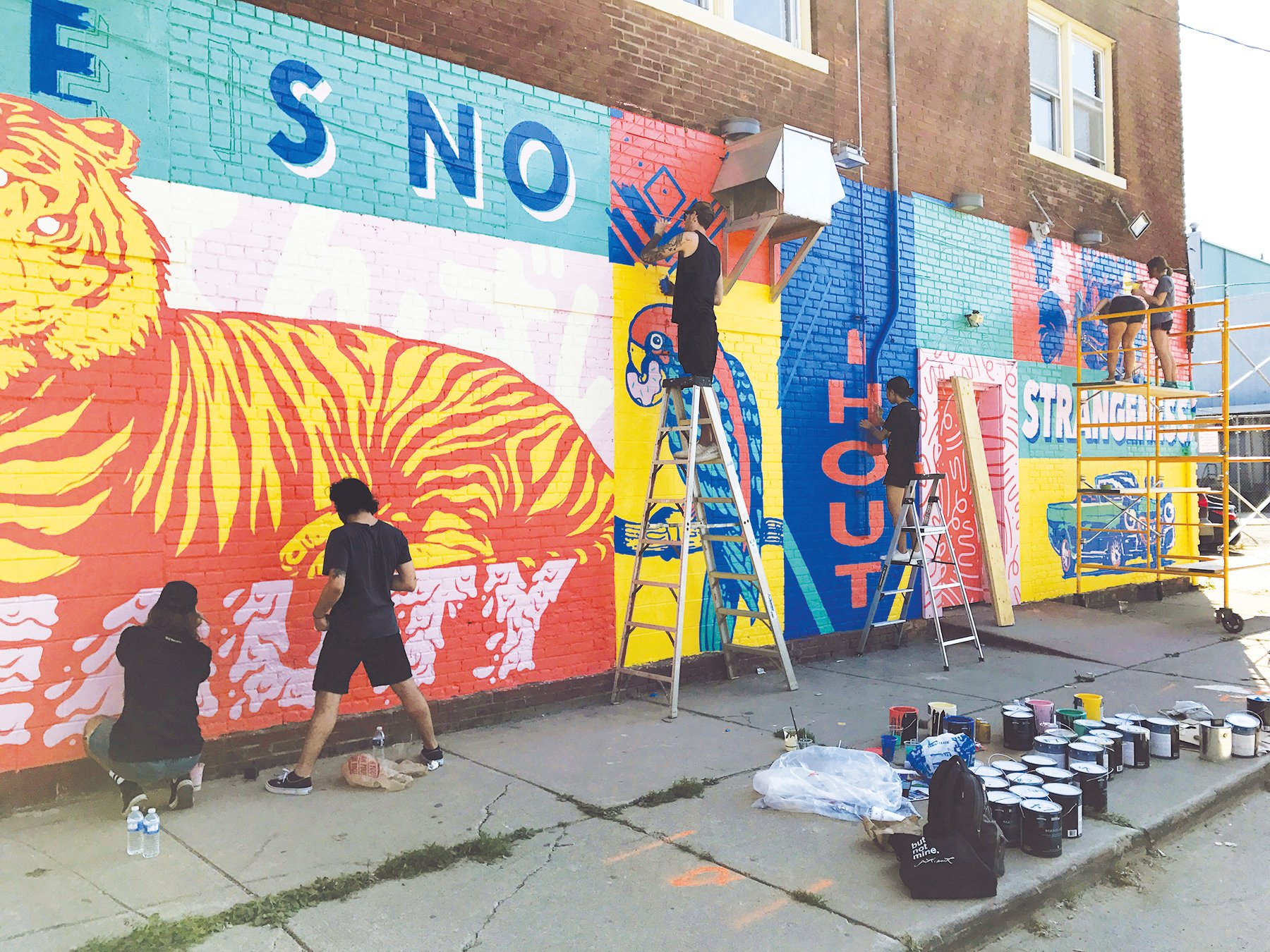
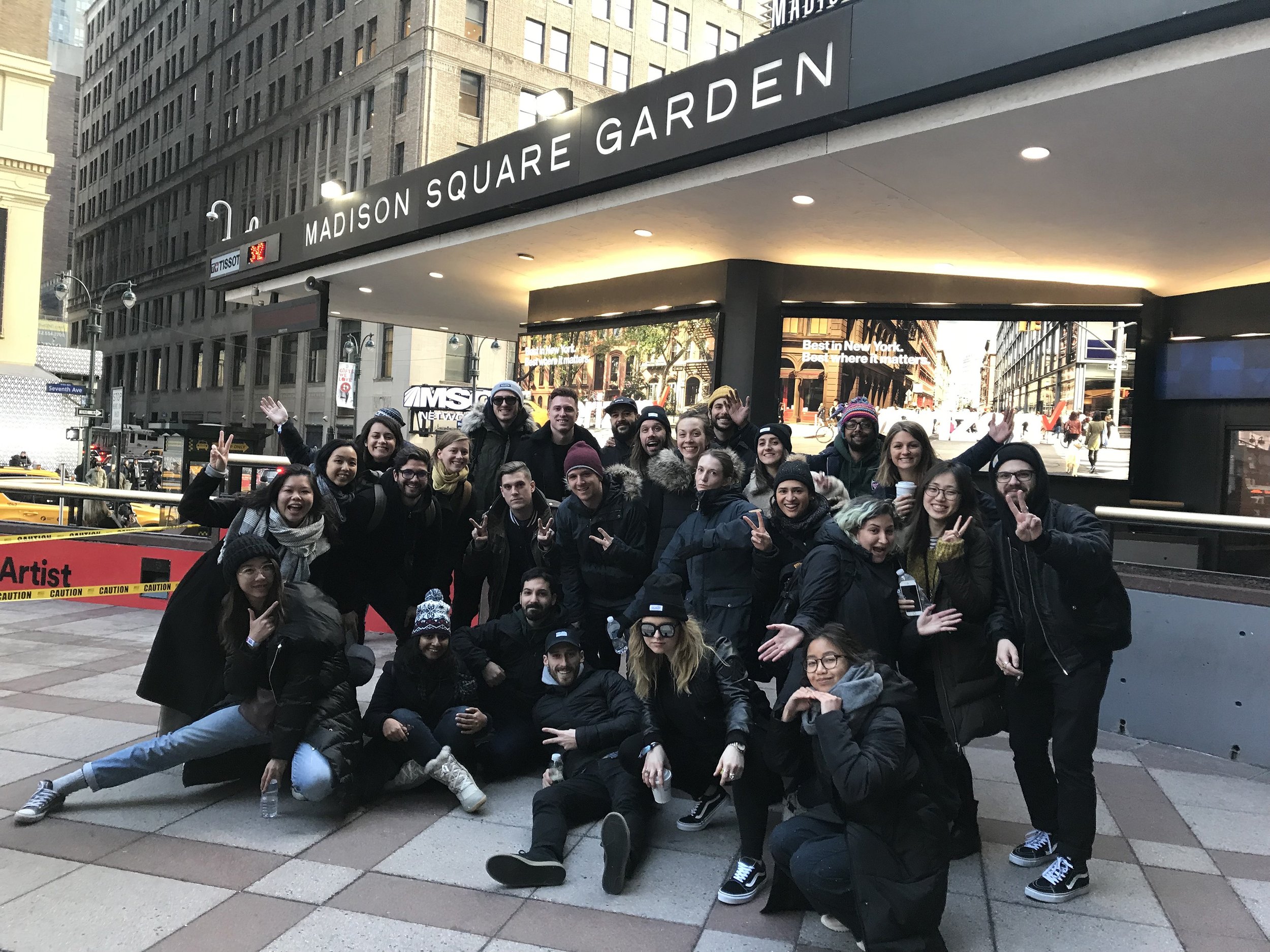
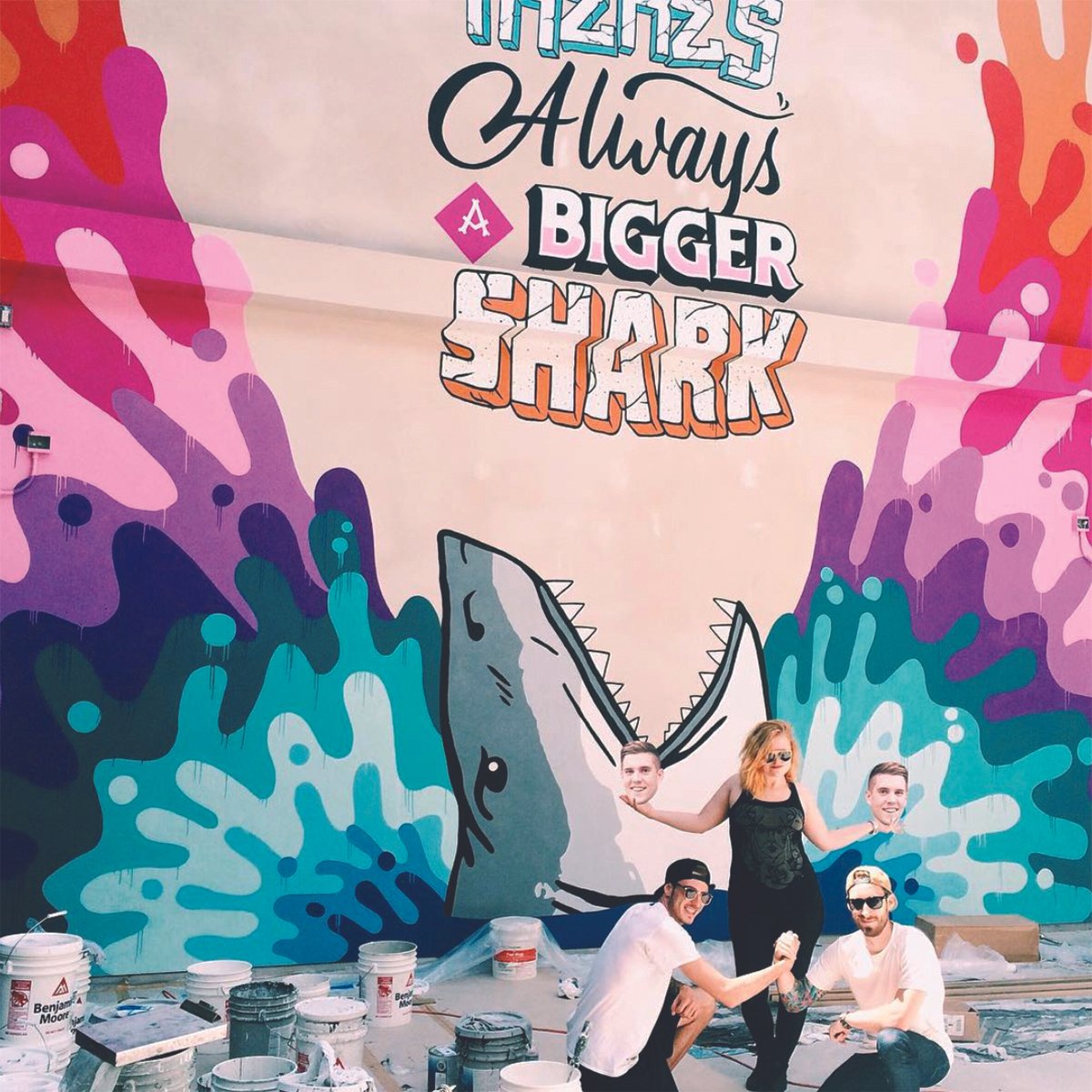
During our first trip together painting for a week in the Santa Monica sun, we decided our crew needed a name, and Lunch Money was born.
The early work was meant to ensure the spaces felt as far from a corporate office as possible. As young graphic designers, we naturally found inspiration in retail hyper graphics, signage, and street art.
As WeWork scaled across the globe, we began to codify our visual language and artistic intent. Our goal was to inspire our members around the world through memorable art experiences. The only way to do this in an honest and authentic way was to ensure the art teams were local to each market. As our team expanded, our skills and capabilities expanded as well. Our team was responsible for the management, sourcing, and creation of everything from wallpaper patterns to murals, sculptures and local artist commissions.
In 2017, a significant shift in the creative vision and aesthetic direction of WeWork spaces occurred when designer and creative director, Adam Kimmel, was named Chief Creative Officer.
For the first time, art and interiors had direct representation on the executive level. With new found support and a fresh approach to art, we again found ourselves pushing the boundaries of how art could affect space.
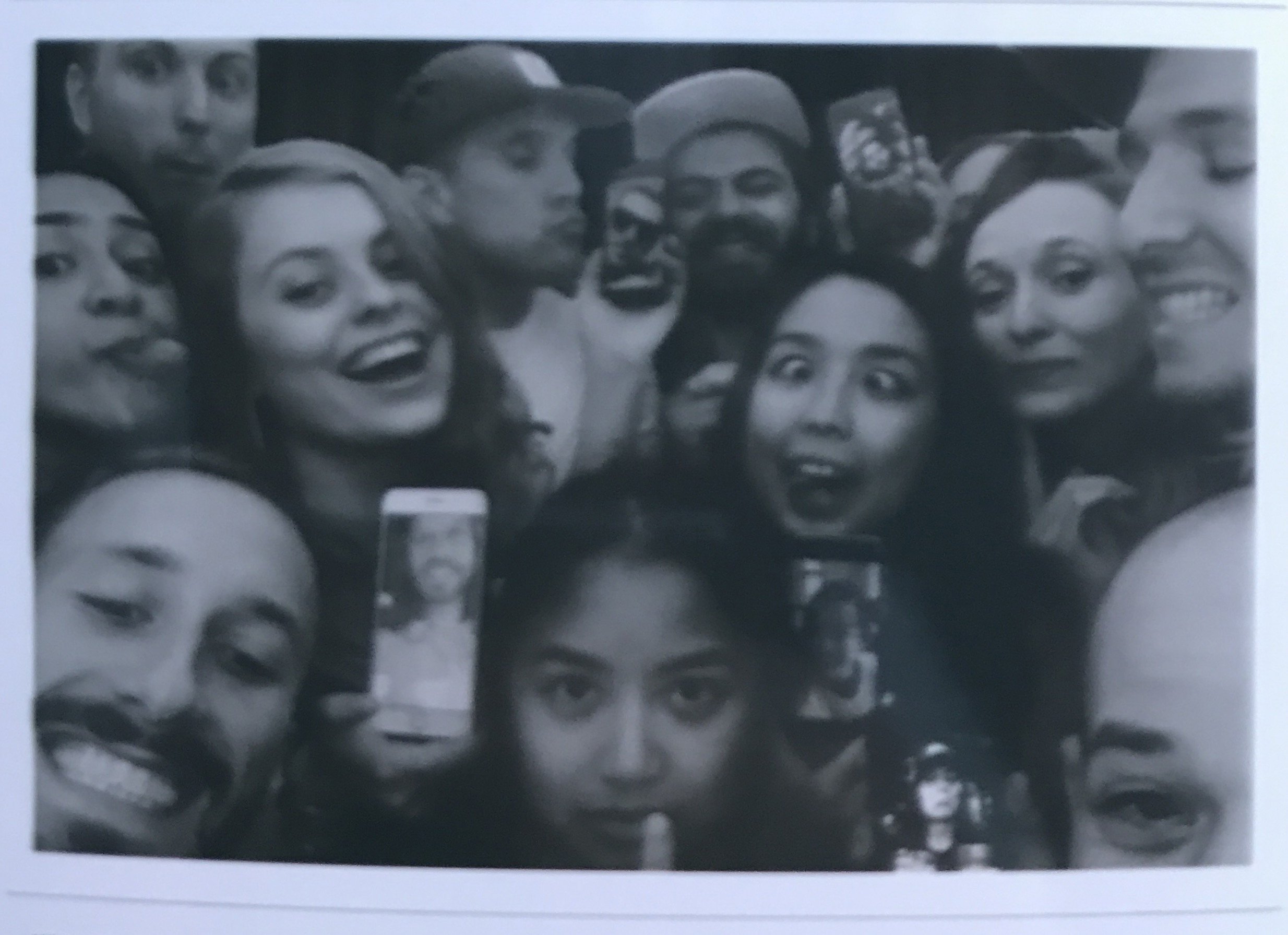
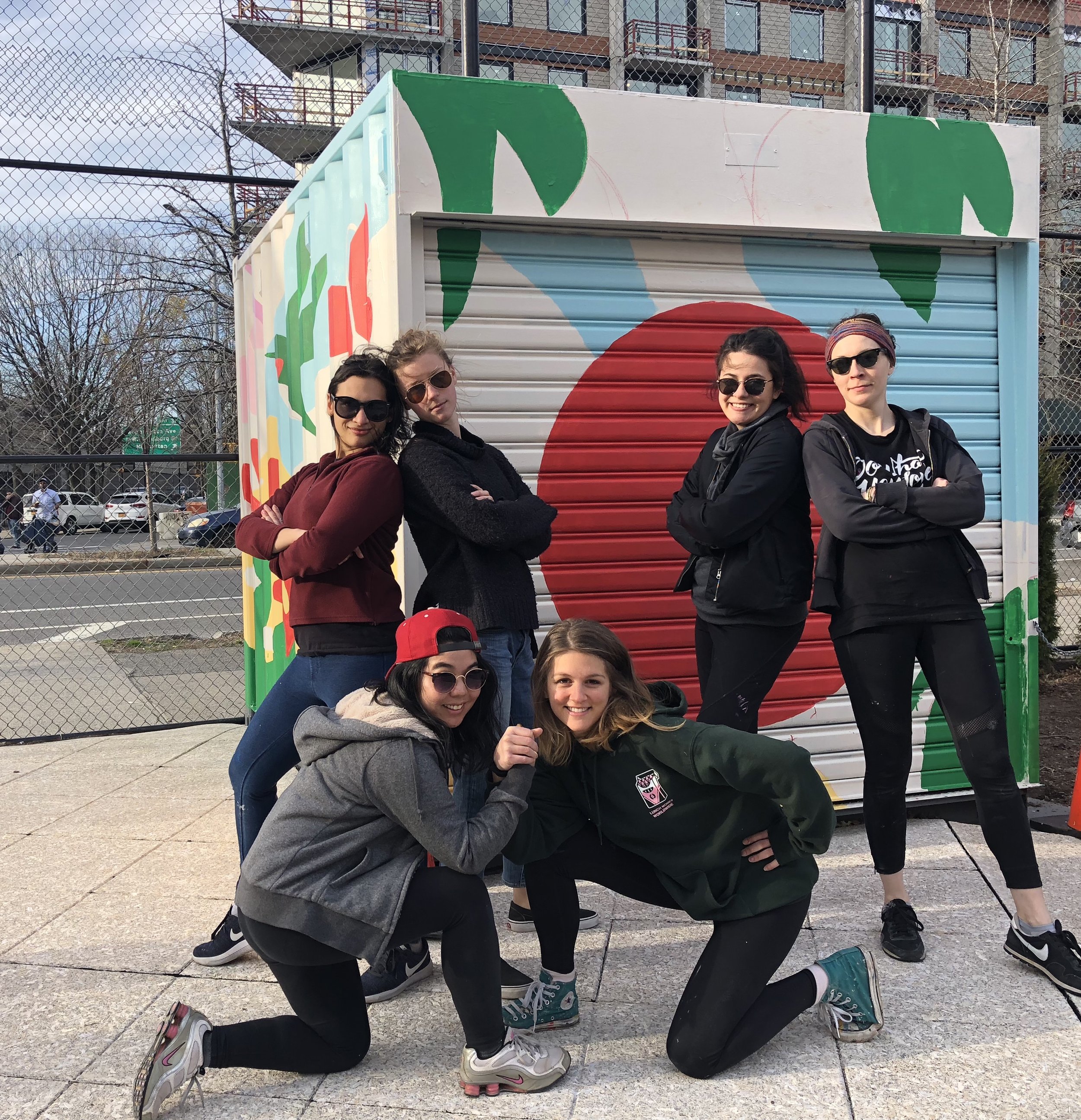
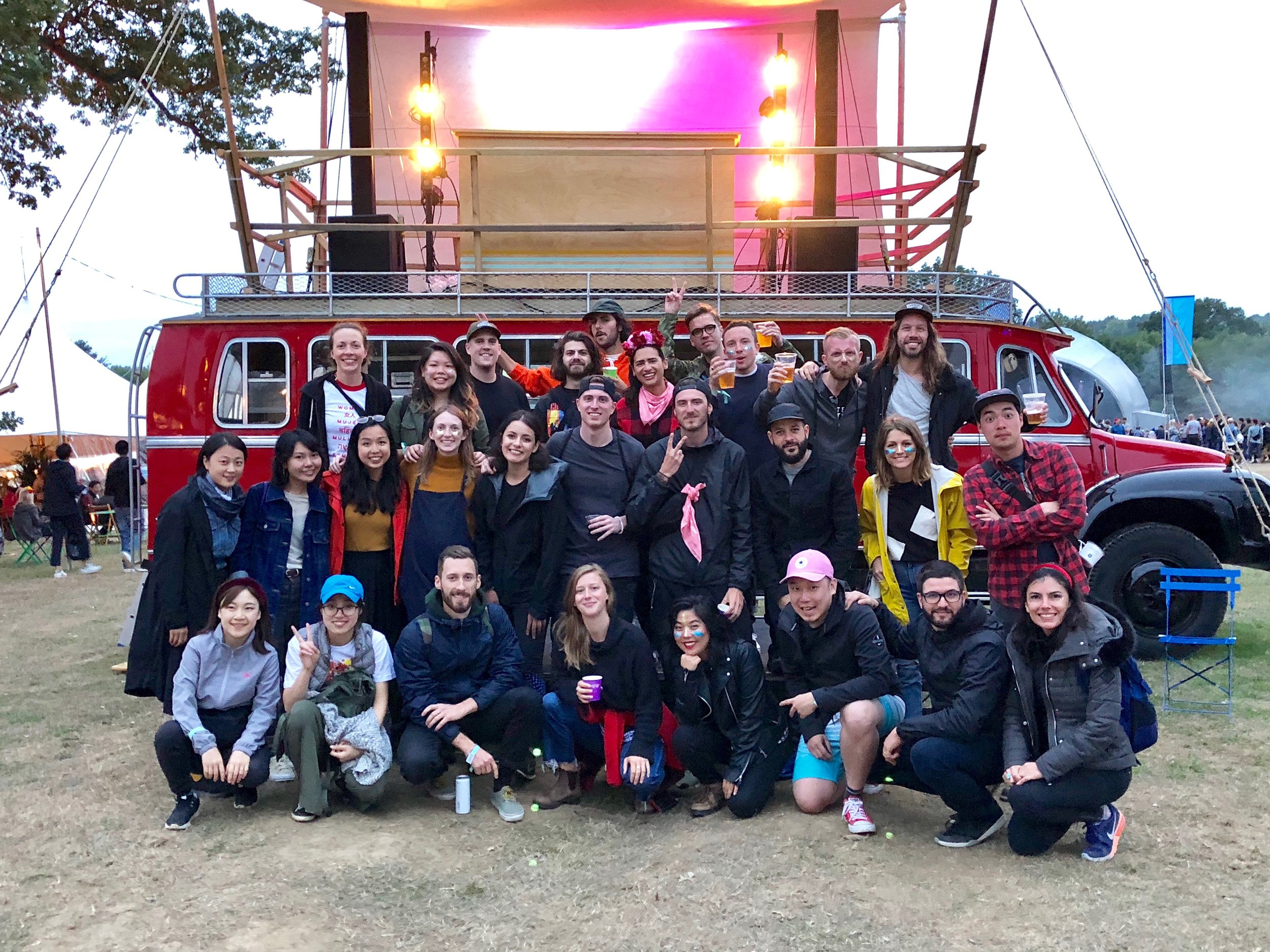
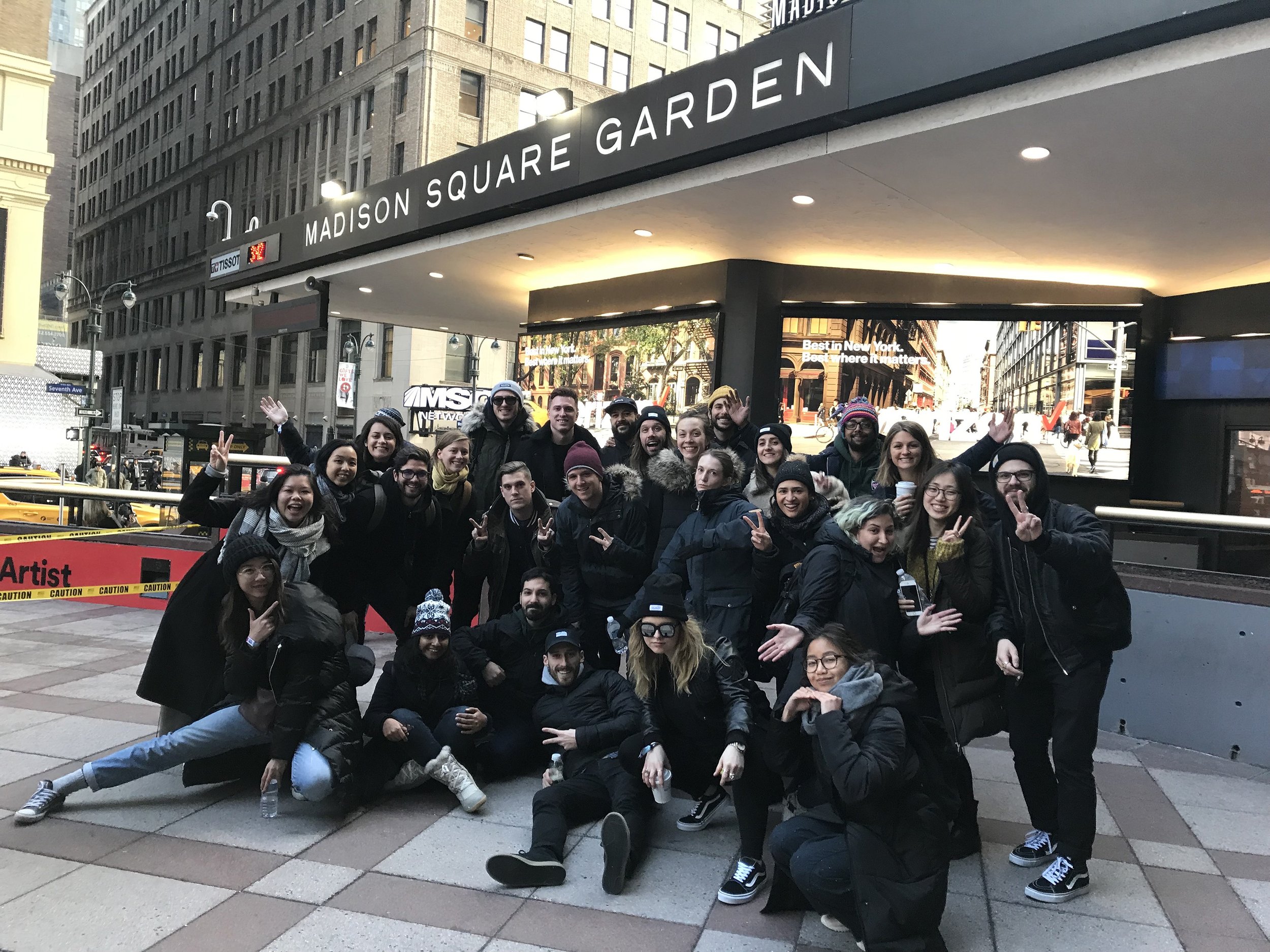
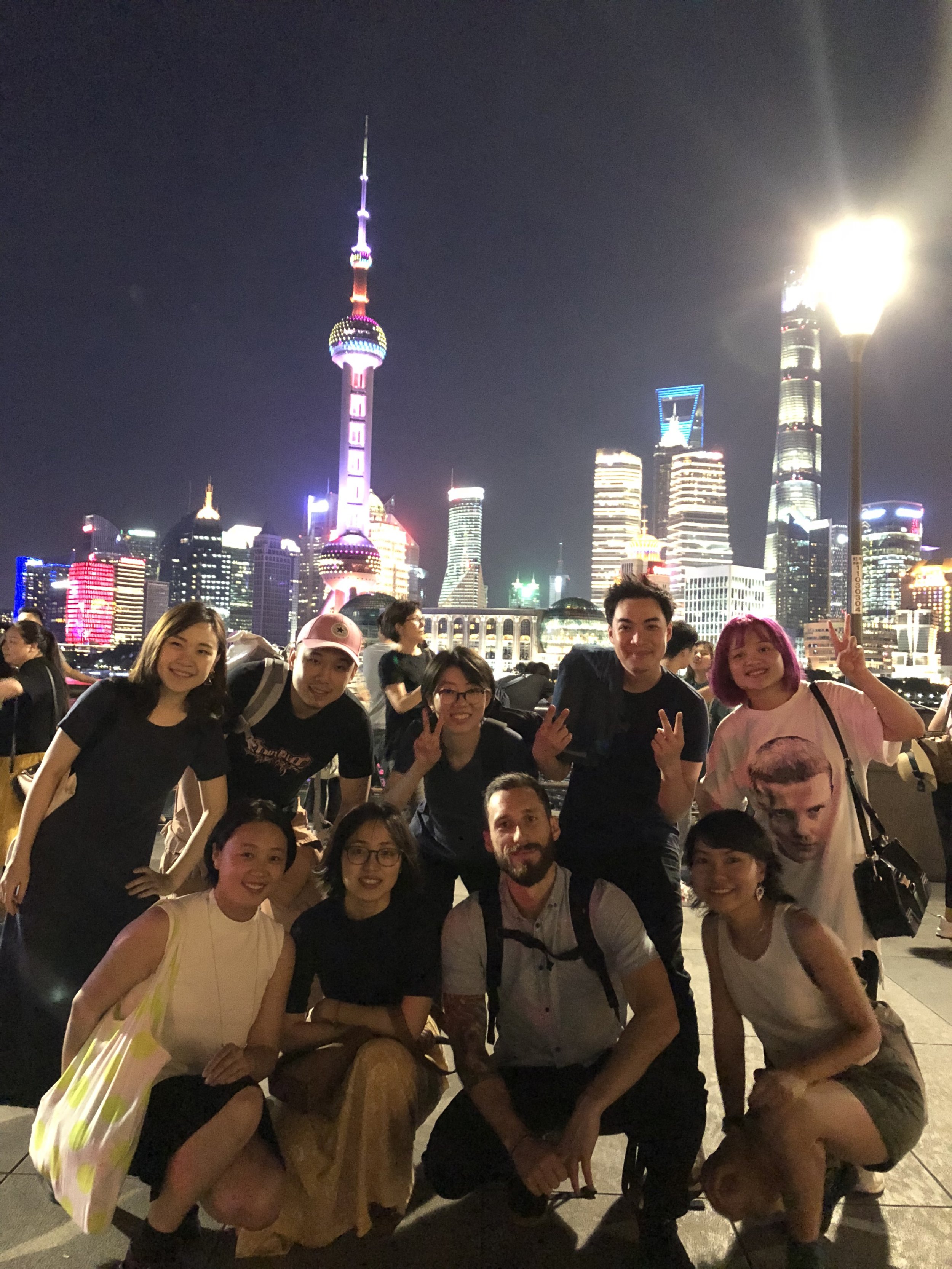
By 2020, as we began to go our separate ways, we had become a global family-like collective and WeWork was our platform to find ourselves creatively. We honed our personal styles and creative skills. Many have gone on to earn MFAs, have solo exhibitions, launch design studios, but most importantly bet on ourselves with confidence to pursue our passions on our own terms.
What began as a passion project has evolved into something more. We’re proud of where we’ve been and even more excited for what’s ahead.
What sets us apart isn’t just our process—it’s the intention behind it. We take time to understand, explore, and create with purpose at every turn.